A Simple Net That Saves Lives
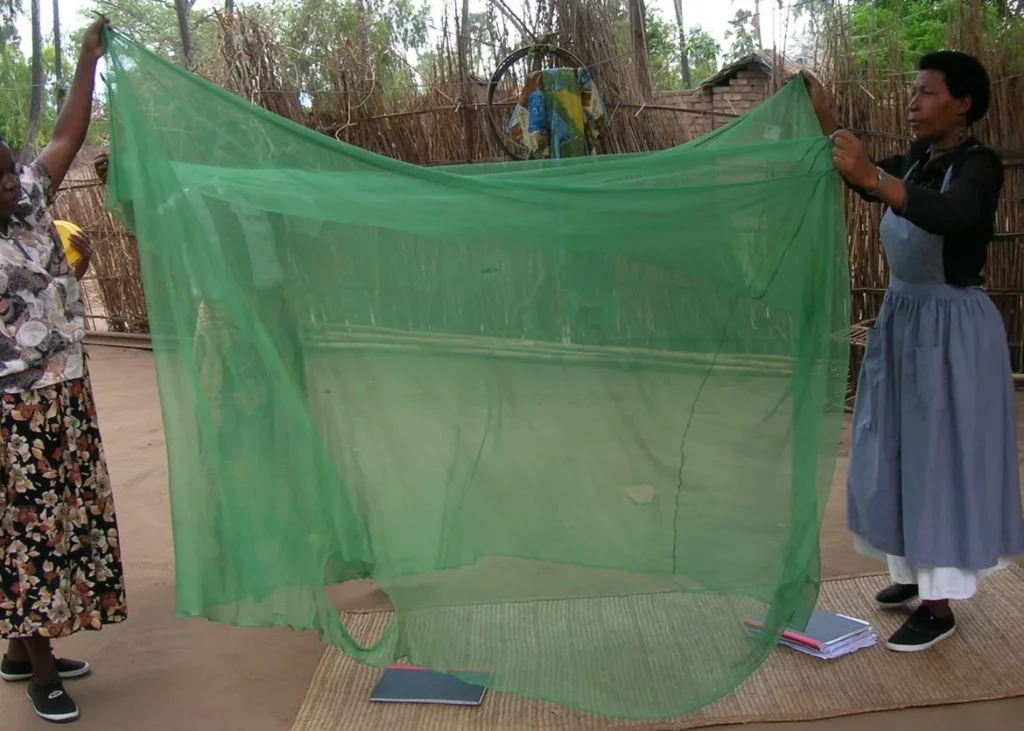
Malaria continues to be one of the leading causes of death among young children in Malawi. The under-five mortality rate has historically been as high as 20%, with nearly half of those deaths linked to malaria. Preventing infection during their earliest years is critical.
One effective way to reduce malaria transmission is through the use of insecticide-treated bed nets. The malaria parasite in sub-Saharan Africa is carried by the Anopheles mosquito. This mosquito primarily bites at night, so sleeping under a bed net provides a simple but powerful layer of protection.
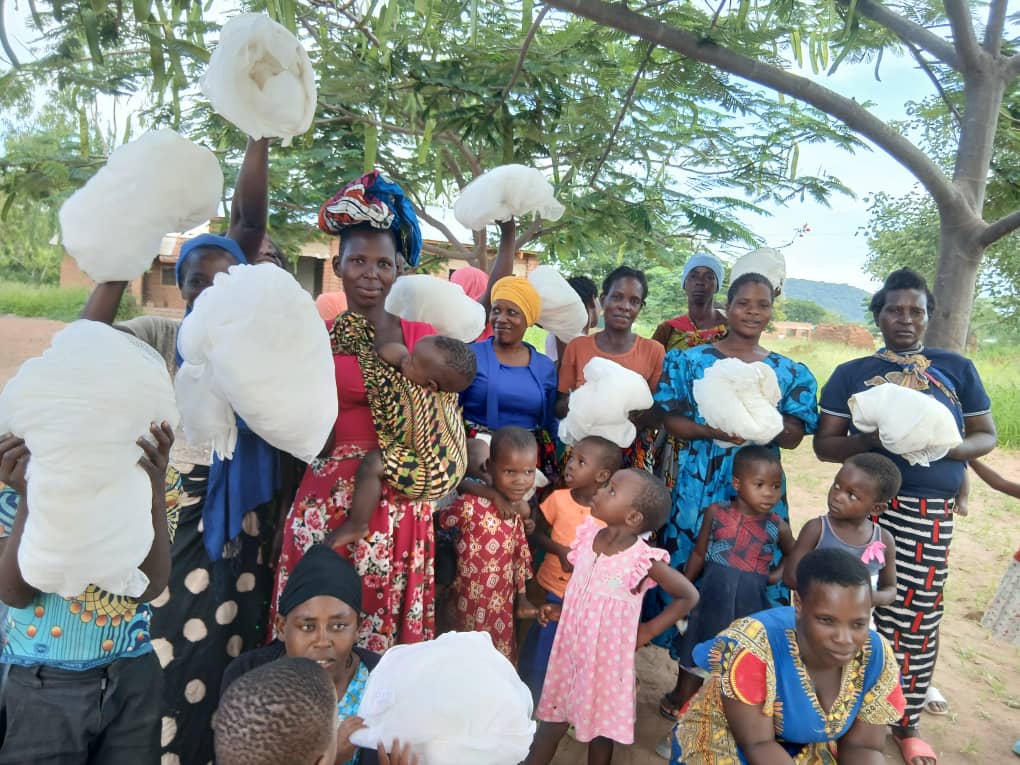
In January 2026, our team intensified bed net distribution to coincide with the peak mosquito season. During this time, mosquito populations rise significantly, increasing the risk of malaria transmission. Our program specifically focuses on children under five because they face the greatest risk of severe illness and death from malaria. Over the course of the month, we distributed 96 insecticide-treated bed nets to vulnerable children and their households.
A key part of the program is education and follow-up. Catherine Shabani leads the distribution efforts by delivering bed nets directly to village households, teaching guardians how to properly install and use them, and conducting periodic inspections to ensure they are being used correctly. This step is essential because bed nets distributed without guidance are sometimes repurposed for other uses.
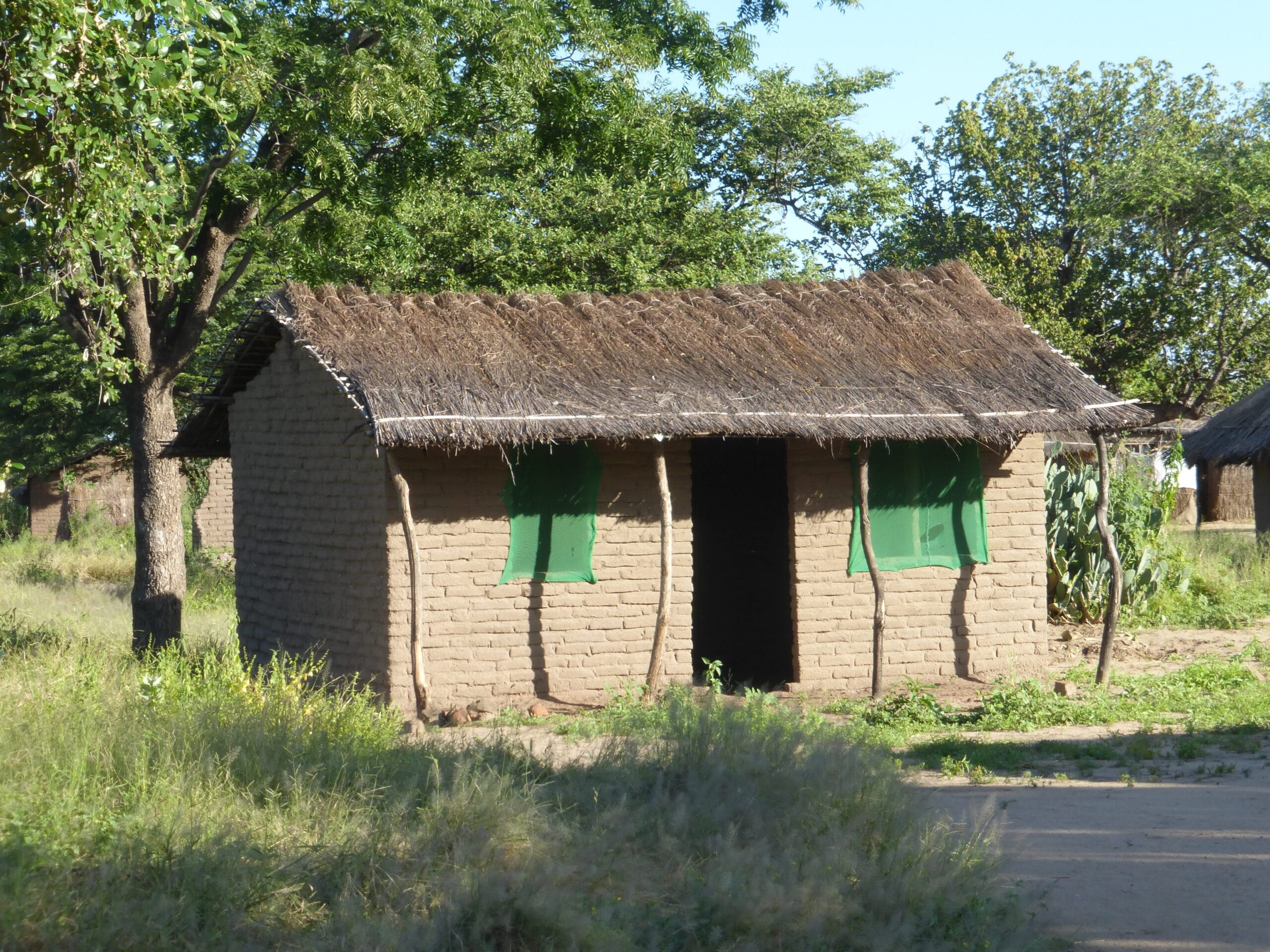
The program has already achieved a greater than 60% reduction in monthly malaria cases among participating children. Each bed net brings us one step closer to protecting Malawi’s most vulnerable children.